

Pharmacovigilance focuses on monitoring, assessing, and preventing adverse drug reactions to ensure patient safety and regulatory compliance.
This training equips you with practical skills to work on real-world safety data, global regulations, and industry-standard tools used by pharma companies.
With increasing drug safety regulations worldwide, pharmacovigilance professionals are in high demand.
This course opens stable career paths in pharma, clinical research, and regulatory compliance.
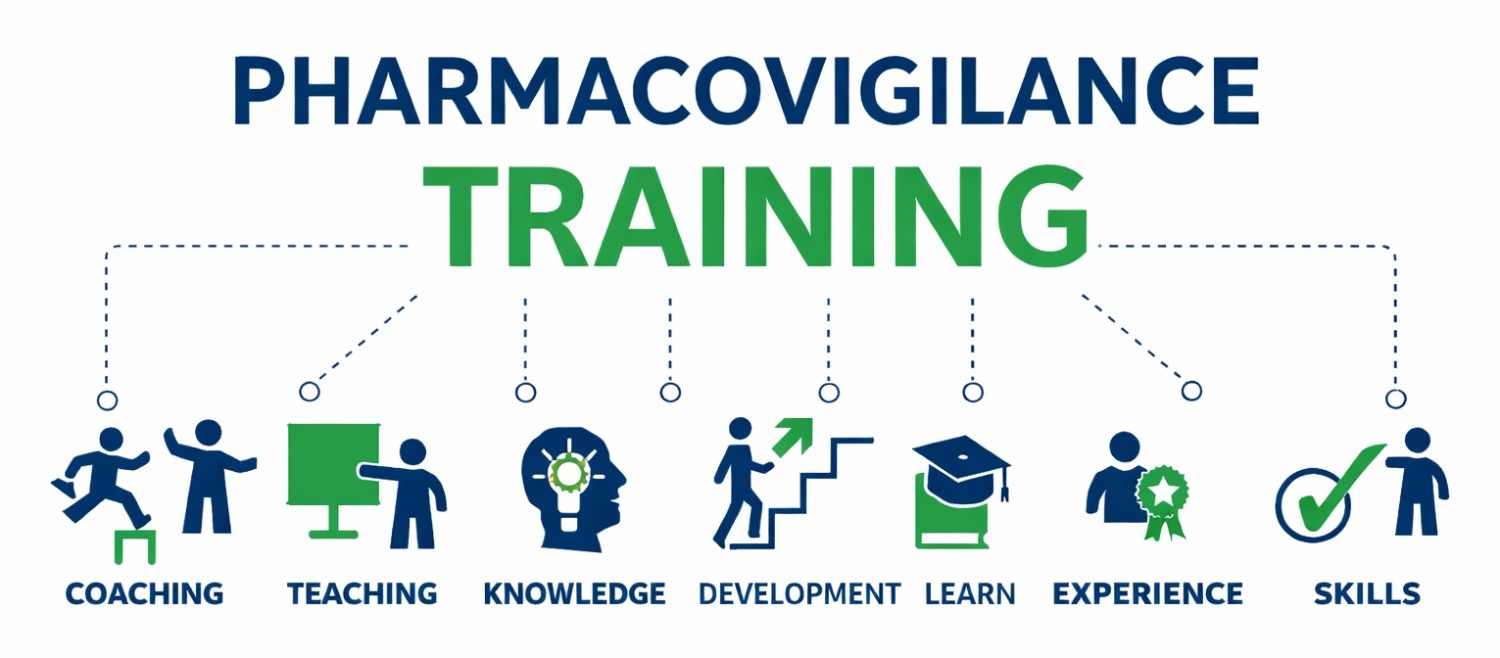

This curriculum covers core pharmacovigilance concepts, real-time case processing, regulatory reporting, and safety database operations.
Overview of drug safety and pharmacovigilance
Roles and responsibilities in PV
Types of adverse events
Individual Case Safety Reports (ICSRs)
FDA, EMA, and ICH regulations
Pharmacovigilance System Master File (PSMF)
Safety data collection and case lifecycle
Data entry and workflow management
Signal identification methods
Risk Management Plans (RMP)
PSUR, PBRER, and DSUR reports
Benefit-risk evaluation concepts
Audits, inspections, and documentation
Data quality standards
Practical drug safety scenarios
Industry-based examples
Resume and interview guidance
Job roles and career pathways

Pharmacovigilance offers stable and growing career opportunities within the pharmaceutical and clinical research sectors.
| Role | Salary Range |
|---|---|
| Drug Safety Associate | ₹3.5 LPA – ₹6 LPA |
| Pharmacovigilance Executive | ₹4 LPA – ₹7 LPA |
| PV Case Processing Associate | ₹4.5 LPA – ₹8 LPA |
| Safety Data Analyst | ₹6 LPA – ₹10 LPA |
| Pharmacovigilance Scientist | ₹8 LPA – ₹15 LPA |
| Regulatory & Safety Compliance Specialist | ₹10 LPA – ₹18 LPA |
Yes, it is ideal for pharmacy and life science graduates.
No prior experience is required to start this course.
Yes, FDA, EMA, and ICH guidelines are included.
Yes, real-time case studies are part of the training.
Vyava Technologies is a leading IT training institute in Hyderabad, offering industry-ready skills, hands-on projects, and career-focused training for students and professionals.